%20(1).svg)
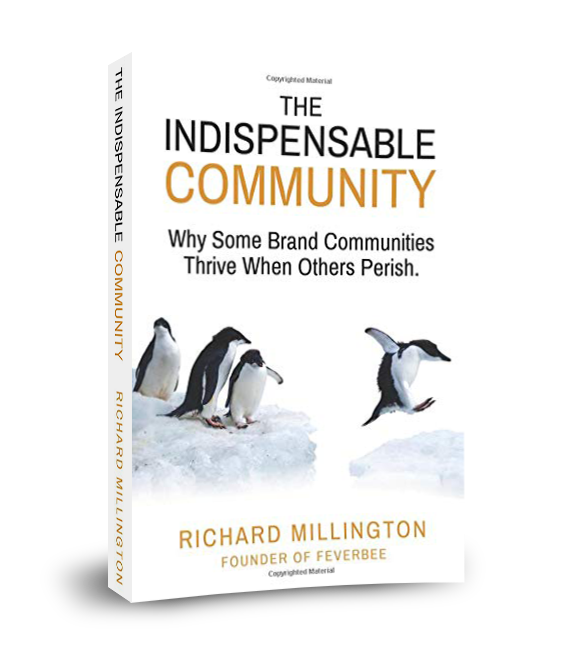
Insights from The Indispensable Community by Richard Millington
1. Creating a Value-Driven Environment: RwD should be a hub where readers gain insights, store their work, and learn from others. Writers can build their reputations, access impactful readers, and receive valuable reviews. Focus on the shared desire for growth.
2. Encouraging Member Contributions: Understand what motivates your members—solving problems, improving skills, and increasing their status—and turn these motivations into action by offering ways for them to contribute meaningfully.
3. Turning Members into Allies: Advocate for members who promote RwD, lead discussions, and contribute to community learning. Help them feel essential by giving them leadership opportunities, encouraging referrals, and making them a part of the community’s evolution.
The Net Promoter Score (NPS) is a crucial metric to measure customer satisfaction and predict business growth by asking, “How likely is it that you would recommend Share to a friend or colleague?” Respondents score from 0 to 10:
Detractors (0-6): Unhappy customers who might negatively impact your brand.
Passives (7-8): Neutral, satisfied but not enthusiastic.
Promoters (9-10): Loyal customers who are likely to recommend your brand.
The NPS is calculated by subtracting the percentage of detractors from the percentage of promoters.
1. Activate Advocates: Simply having promoters isn’t enough; brands must create exciting opportunities for them to engage and advocate. Asking for reviews and offering exclusive, intangible rewards, like special access, can encourage active promotion.
2. Reward Contributions: Advocates and contributors want to feel valued. Offering recognition or exclusive rewards, such as key staff access or unique experiences, motivates them to support the brand further.
3. Foster Sub-Groups*: Communities thrive when they create smaller sub-groups. These groups foster stronger connections, more engagement, and allow leaders to emerge, preventing stagnation and maintaining active participation. Start with one group , as community grow, break into subgroups.
Design for Learners (Lurkers): Most community members may not actively participate but are valuable because they learn from others' contributions. Instead of pushing them to engage, focus on ensuring they are extracting value and learning effectively from the community’s content.
2. Provide Relevant, Curated Content: Highlight the most valuable information, such as the latest trends or solved problems, to keep members returning. Tailor the community’s presentation to the size—using algorithms or upvoting systems as it scales.
3. Make Learning Efficient: A community’s true value lies in how well the majority of members benefit from the shared solutions and content. Ensuring that members can easily access the knowledge they seek will make the community indispensable.
Distinguish Between Ideas and Insights: While crowdsourced ideas may often resemble customer complaints, the real value lies in the insights these ideas provide. Even bad ideas can lead to valuable insights about missed opportunities or areas of focus that can benefit the community or product.
2. Leverage Both Solicited and Unsolicited Feedback: Gather insights through both structured methods like surveys and polls (solicited) and spontaneous feedback like complaints and behavior tracking (unsolicited). Monitoring customer sentiment and clicks can reveal what truly matters.
3. Track Insights for Impact: Whether it's through analyzing complaints, click-through rates, or conversion data, consistently track and harness insights to make informed decisions. Insights help identify key areas for improvement and ensure the community's success by aligning with members' needs.
Be careful of mistaking someone's opinion of an issue with how much they care about it.
Turn Members into ALLIES: Encourage members to advocate, lead, learn, provide insights, and support others. By aligning their contributions with things that matter to them, they become integral to the community’s success.
Boost Rewards: To tackle the public goods problem in a community where a few contributors create valuable resources while many benefit you can Provide special status, unique access, or recognition to members who make valuable contributions.
Make it easy for members to contribute by giving them tasks that match their time, expertise, and Passion. Offer multiple ways to contribute, such as sharing tips, answering questions etc.
Actively seek out passionate experts with time and knowledge to create high-quality, exclusive resources
Focus on Results, Not Just Engagement: A successful community isn't measured by how many conversations or clicks it generates, but by the tangible results it delivers—such as leads, cost savings, or problem-solving. Ensuring the community consistently provides real value makes it indispensable.
2. Avoid the Engagement Trap: Chasing vanity metrics like clicks, likes, or comments can lead to superficial engagement. Instead, focus on fostering meaningful contributions that address real problems and provide insights. Quality of interaction is more valuable than quantity.
3. Make the Community Indispensable: Members should rely on the community for expert advice, quick problem-solving, and valuable insights they can't find elsewhere. Building this level of reliance ensures that the community remains valuable and irreplaceable.
Align Community Goals with Team Needs:
- Community goals should not be vague but should adapt to the needs of other teams within the organization. By understanding colleagues' challenges and offering community support that addresses those challenges, the community becomes indispensable.
2. Building Strong Internal Alliances:
- The secret to getting more value from the community isn't more people. There is a finite number of people that will ever join a community. The key to successful communities is building alliances within the organization. Support from colleagues goes beyond money; it includes access, permission, and expertise. By giving support and delivering value to various departments, the community can gain valuable internal backing.
3. Balance Between Company Needs and Member Desires:
- The community must balance what the members want and what the company needs. Designing the community with input from colleagues ensures that it delivers results for both parties. By setting clear objectives and asking for valuable contributions (not just engagement), the community can avoid the "engagement trap" and generate meaningful results for both members and the organization.
.png)
.png)
